
|
|
|
|
|
|
|
|
||||||
|
|
||||||||||||||||||||||||||||||||||||||||||||||||||||||||||||||||||||||||||||||||||||||||||||
|
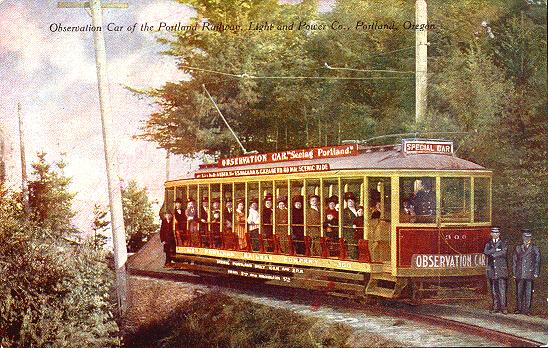
Sightseers would ride Portland Railway Light and Power Company’s Observation Car that made regular trips to Council Crest, circa 1910. The Line to the top of Council Crest was completed in 1906. It was the most scenic and spectacular streetcar line in the Northwest. |
|
||
|
|
|
|
Very early view of Portland’s business district. During the rainy months, the streets turned to mud and makeshift wooden sidewalks were built to get people out of the mud. |
|
||
|
|
|
|
In the early days, Portlanders had to walk, ride a horse or ride in a horse-drawn wagon to get around town. |
|
|
|
|
||
 |
|||||
 |
|||||
 |
|||||
|
||
|
|
|
|
The resourceful Ben Holladay operated Portland’s first horse-drawn streetcar in 1872 along First Street. His streetcars became quite popular and Holladay purchased several more streetcars. In 1888, his busy streetcar operation kept fresh horses rotating with the cars lined up at his barn at Southeast Morrison and Grand Streets. |
|
|
 |
|
|
|
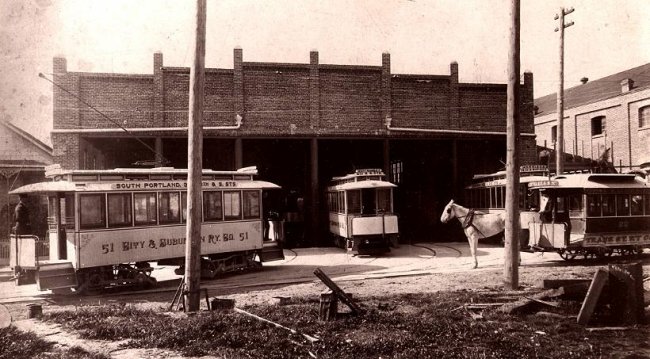
City & Suburban Car Barn at 23rd & Savior on June 20, 1892, Portland’s last horsecar run. |
|
|
|
The early horse-drawn streetcars were soon joined by and later replaced by steam trains and eventually electric trolleys. Portland’s first electric streetcar took to the rails in 1889 and carried passengers across the Steel Bridge to the town of Albina. As the streetcar expanded to other areas, residents of the quickly growing timber town could live out of the center of the town. Real estate developers created the communities of Council Crest, Hawthorne, Irvington and Mount Tabor, as well as others, as the streetcar lines lured people away from the central city to live in the suburbs. |
|
||
|
|
|
|
Steam train on the Mt. Tabor Line circa 1892 |
|
|
|
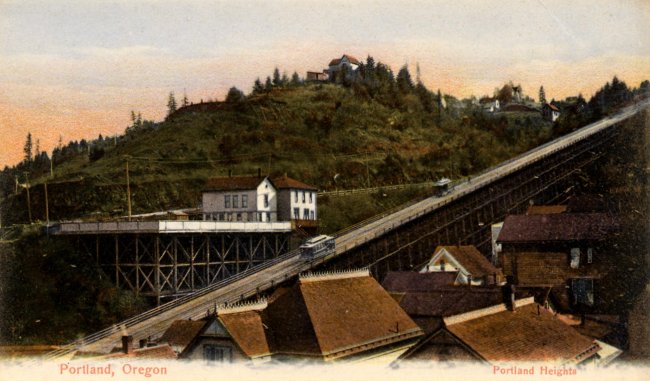
Portland’s extensive Streetcar system connected its people with the stores, schools and businesses that offered employment. The Streetcars also provided a means of access to Portland’s parks and amusements. Many amusement parks were built at the end of the Streetcar routes to encourage rider ship. Shortly thereafter, Portland’s first and only cable car began taking passengers up to Portland Heights. |
|
 |
|
Cable car system going to Portland Heights |
|
|
|
|
 |
|||
|
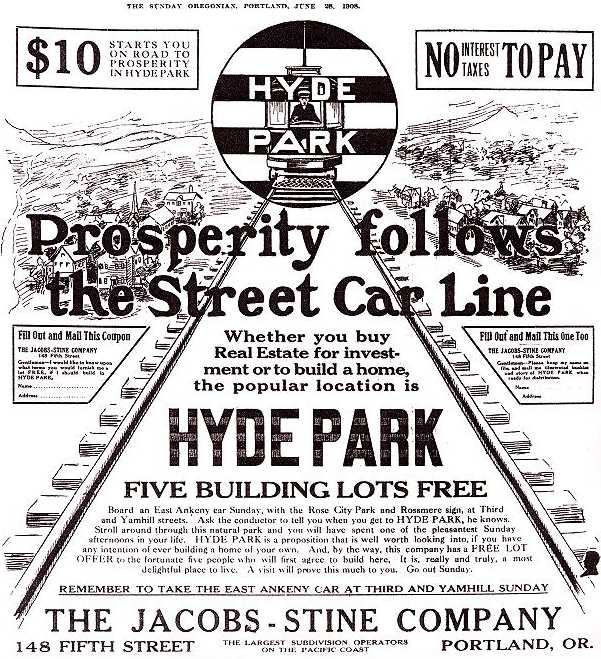
Ad from The Sunday Oregonian June 25, 1908 |
|||
|
|
|
The Portland Sellwood and Milwaukie Railway was one of the first electric interurban lines constructed in the Pacific Northwest. Construction on Portland’s long-lived Interurban lines began in 1890, operating as the East Side Railway, and service was quickly established to the town of Sellwood. The line was extended to Milwaukie where carbarns and shops were built. |
|
||
|
|
Service to Oregon City was inaugurated on February 16, 1893 and it was built as a Real Estate Promotional Line. From Oregon City, the line was extended to Canemah Park for several years. |
|
|
|
A number of streetcar lines soon developed to carry Portland area residents from one end of town to the other. Portland’s 10 Council Crest Cars arrived in 1904, just in time for the Lewis & Clark Exposition in 1905. |
|
||
|
|
|
|
Portland Railway Company built a new 3’-6” narrow gauge mountain-climbing electric streetcar to go up the 12 percent grade to the top of Council Crest |
|
||
|
|
By 1905, there were 150 streetcars per hour shuffling passengers to the Lewis & Clark Exposition |
|
|
 |
|
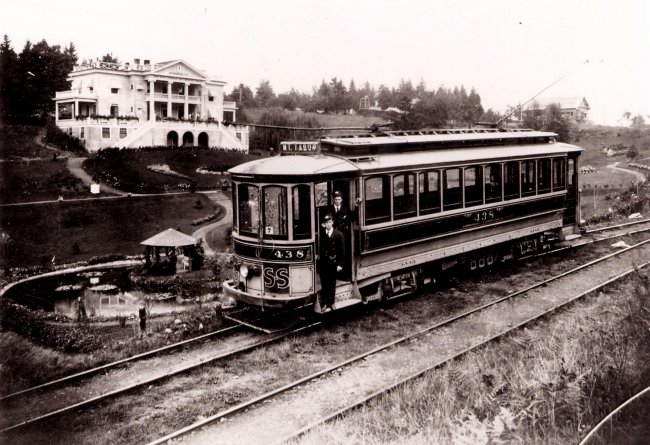
Mt. Tabor Car No. 438 near 65th & Belmont |
|
|
|
The Massachusetts Building (left rear) was moved, piece by piece, to what is now about 65th & Belmont after the Lewis & Clark Exposition ended in 1905. Mt. Tabor Car 438 is shown making a Sunnyside run. |
|
|
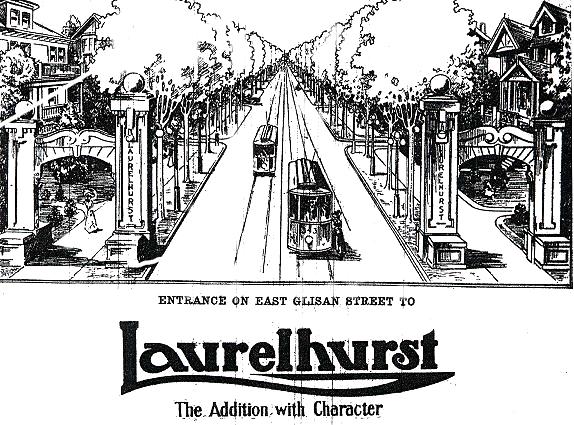 |
|
|
||||||||||||||||||||||||||||||||||||||
|
||
|
|
|
|
Alberta Streetcar No. 437 leaving the Piedmont Car Barn |
|
||
|
|
Mt. Scott Car 1076 at the Lents Station with the Powerhouse on the left |
|||
|
|
|
|
|
The Portland Railway Co. merged lines with the Oregon Water Power & Railway to become the city's only streetcar company, the Portland Railway, Light and Power Company. PRL&P operated a system of 28 streetcar and interurban lines that saw their heaviest rider ship in the years just prior to the First World War. PRL&P's standard vehicles were long-vestibuled "Pay-As-You-Enter" (PAYE) cars built by the American Car Company, a subsidiary of the Brill Company in St. Louis, Missouri. |
|||
|
||
|
|
|
|
Bull Run Car No. 1125 at the Pleasant Home Depot |
|
|
|
Portland had an extensive Trolley System that stretched from Hillsboro to Estacada and Cazedero, from Forest Grove to Dodge Park and Bull Run and from Oregon City to Vancouver. Just imagine every Sunday at the after-church social; you could take the Trolley to The Oaks, Jantzen Beach or Council Crest. To boost rider ship, Amusement Parks were often built at the end of the lines. |
|
||
|
|
|
Photo courtesy of Dick Thompson |
|
Two Bridge Transfer Cars sat idle during a silver thaw |
||
|
|||
|
|
||||
|
|
||||
|
|
||
|
|
North Portland Streetcars at Union Stockyards |
|
|
 |
|
|
|
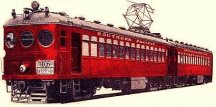
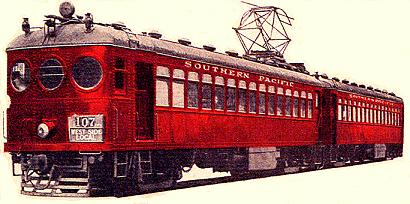
Southern Pacifics’ Red Electrics, with their distinctive round windows, served communities beginning in 1914 with two main lines making the McMinnville Loop south and west from Portland. The West Side Local went through Portland’s West Hills to Beaverton, Hillsboro and Forest Grove. The East Side Local went to Oswego, Tualatin, Sherwood and Newberg. They both met at St. Joseph, just north of McMinnville. In 1917, service was added for a three hour and fifteen minute ride to Corvallis for a total of 180 electrified miles. The Oregon Electric lines went to the University of Oregon in Eugene and the Red Electrics carried their rivals to OAC (Oregon Agricultural College – now Oregon State University) in Corvallis. |
|
|
 |
|
|
|
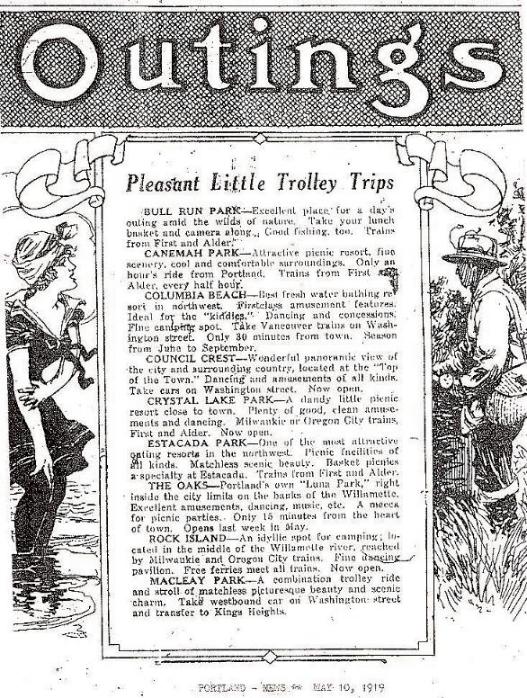
Copy of Newspaper Article published in the Portland News on May 10, 1919 |
|
|
|
|
|
|
|
|
|
|
|
|
|
|
|
|
Interurban service to Oregon City continued until January 25, 1958. |
||||||||||||||
 |
||||||||||||||
|
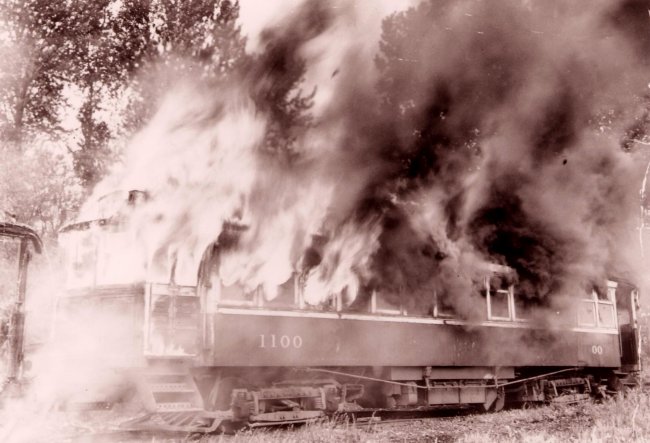
By the 1950’s, the nation fell in love with the automobile and trolleys became obsolete. Thousands of streetcars across the country were burned for scrap metal. Things have never been the same, and we are gradually rebuilding long-abandoned lines. |
||||||||||||||
 |
||||||||||||||
 |
||||||||||||||
 |
||||||||||||||
|
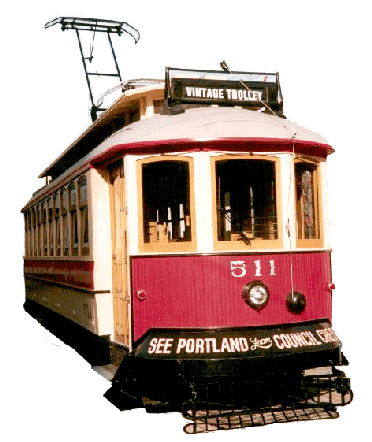
The City of Portland currently runs two replicas of the original Council Crest Trolleys from the Galleria to Lloyd Center on a limited schedule on certain Sundays. The Vintage Trolleys are outfitted with the same computerized controls that are found on the 44-mile Metropolitan Area Express (MAX) Line, which runs air-conditioned light rail cars to regional destinations such as the Rose Quarter, Downtown Portland, Gresham, Hillsboro, the Oregon Zoo, Portland International Airport and now the Expo Center. |
||||||||||||||
 |
||||||||||||||
|
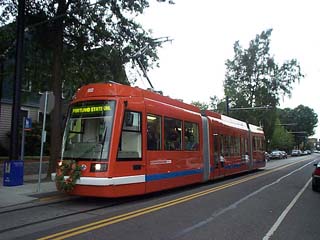
Portland’s 2.4-mile north-south line streetcar line with service from the Legacy Good Samaritan Hospital in trendy Northwest to Portland State University in Southwest Portland has been extended to Riverplace and the South Waterfront District. The streetcars are a little smaller than light rail trains, they are low to the ground and don’t require expensive lifts for people using wheelchairs. Portland’s flashy Pearl District is right in the middle of the new streetcar line and new developments are still defining Portland’s fastest growing neighborhood. The Central Loop Line opened recently and it makes a loop from Downtown Portland across the Broadway Bridge and runs to OMSI. |
||||||||||||||
|
|
|
The next extension of MAX is under construction from Downtown Portland to Milwaukie. A 14.7-mile commuter rail line connects Wilsonville to MAX in downtown Beaverton. A new Tramway that links the South Portland Waterfront with the Oregon Health & Sciences University and other Hospitals on Marquam Hill is now operating seven days a week. |
|
|
|
|
|
|||
 |
|||
|
|
|
In a few years, we can expect streetcars to make a comeback in several Portland neighborhoods. It is likely we will see streetcars running east on Hawthorne and Belmont as well as other high-density streets. |
|
|
|
|
|
|||||||||||||||||||||||||||||||||||||||||||||
|
|
|
Last updated 10-24-16 |
|
|
 |
|
|
|
copyright © 2017 PdxHistory.com |
|
|
| [Portland History] [Site Map] [Amusement Parks] [Historic Portland] [Department Stores] [Streetcars] [Go By Streetcar] [Railroads] [Mt Hood] [Oregon Coast] [Post Card History] [Portland Hotels] [Portland Neighborhoods] [Getaways] [Contact Us] |