
|
|
|
|
||
| [Portland History] [Site Map] [Amusement Parks] [Early Portland] [Department Stores] [Streetcars] [Railroads] [Mt Hood] [Oregon Coast] [Post Card History] [Portland Radio] [Portland Hotels] [Portland Neighborhoods] [Getaways] [Contact Us] |
|
|
|
|
|
|
|
|
|
|
|
|
|
|
 |
|||||||||||||
 |
|||||||||||||
 |
|||||||||||||
 |
|||||||||||||
 |
|||||||||||||
 |
|||||||||||||
 |
|||||||||||||
|
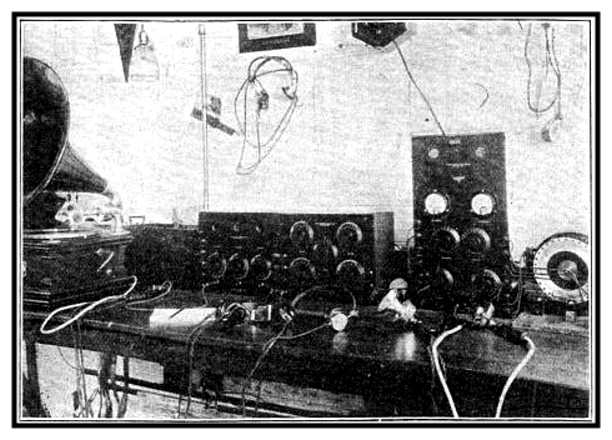
View of Charles Austin’s studio and transmitter where musical broadcasts originated in 1921 -- Oregon Journal March 20, 1921. |
|||||||||||||
|
|
|
Charles Austin's earliest voice broadcast was reported in an "Oregon Journal" article on March 20, 1921. The Journal reported that Austin had developed radio broadcasting and his voice was being heard as far away as Los Angeles over his station 7ZI. His later more well known station, 7XF, would not be assigned until May 1921. He made this switch because "Z" licensed stations weren't really for broadcasting voice & music, just telegraph messages but the "X" stations were. Radio was still in its infancy, KDKA began broadcasting from Pittsburgh in 1920 and KGW wouldn’t hit the airwaves until March 22, 1922. But in early 1921, an innovative Charles Austin began experimenting with radio broadcasting on a shoestring budget. In all probability, no other innovations at that time have been found more interesting or productive commercially, considering the small cost involved, than the advertising of phonograph records by an enterprising music store manager at Portland, Oregon. “Charles L. Austin was accustomed each night to send out phonograph music via radiophone for the benefit of sailors at sea and any others who might wish to listen in, from his experimental station at Portland. Austin formerly was a radio operator on an ocean liner and realized the monotony of many trips and the radio-sent music proved a welcome benefaction to many.” “Clyde Freeman, manager of the Portland Remick Song shop, heard of the novel musicals, called on Austin, and substituted a new phonograph for the old one in use and the very latest in jazz dance music, songs and classics, for the collection of antiquated records. Preceding the playing of each record, an announcement is made telling the name of the record, its identification number, on what make of phonograph played and where the records may be obtained. Austin uses a 500-volt sending apparatus, the easy audibility range of which is 600 miles, although under favorable conditions reports have been made that the concerts were heard on the vessel Reuce, 1,400 miles from the sending station. Many glowing claims are set forth for the radio telephonic advertising of music. It enables rural dwellers to keep up with the newest in records and music, for there are now many receiving sets throughout the country districts which can listen to the concerts. The information gathered through the air is distributed rapidly and many phonograph record sales have been made to farmers and others who have heard particularly pleasing records over the air. Many sailors who have heard the music at sea have purchased upon calling at port. There is a new business opened up among a class of persons who never would have been phonograph owners had it not been for the romance connected with the receiving of music via radiophone. Taking 600 miles as the distance over which the music is plainly heard, we have a grand total area of 1,130,076 square miles, and on account of the almost negligible expense of the advertising method is declared the most economical per square mile of territory covered of any yet tried. The system will be permanent as results obtained have been eminently satisfactory.” On June 26, 1921, at the first Northwest Radio Association Convention, Charles Austin also broadcast phonograph music to radio operators on ships in Portland’s harbor and it was heard as far away as Astoria from station 7XF. |
|
|
|
|
|
|||
 |
|||
|
|
|
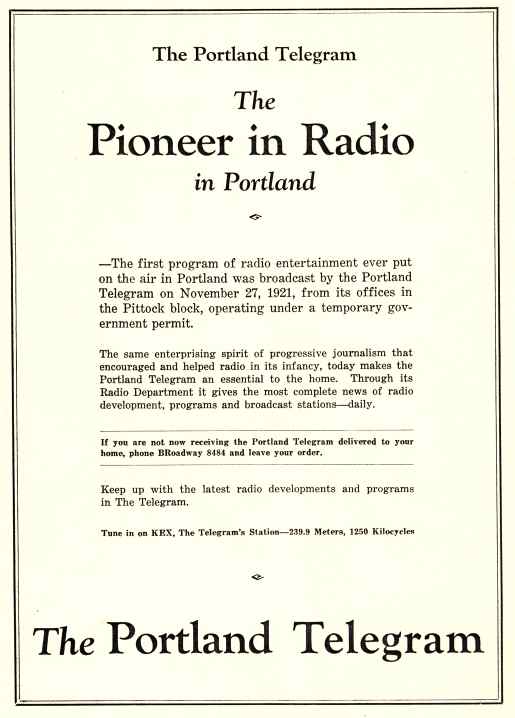
One of Portland’s first radio station licenses was granted to The Portland Telegram and the first broadcast was heard on November 21, 1921 from the Telegram’s offices in the Pittock Block. It was reported that one of the receiving stations in Portland was able to make a wax cylinder record from a number sung by Mrs. Mischa Pelz. This was slightly over a year after one of the first radio station broadcasts was heard in Pittsburgh from KDKA. Westinghouse was a leading radio manufacturer and they wanted to increase radio sales, so they established a radio station that offered regular programming. They teamed with local Pittsburgh ham operator Dr. Frank Conrad to coincide their first broadcast with the Harding-Cox presidential election when the nation’s first election results were heard in Pittsburgh over KDKA on November 2, 1920. |
|
|
 |
|
||
|
|
“Greetings from Adam & Eve and KDKA” |
|
|
|
After President Warren G. Harding gave the address for the burial services of the Unknown Soldier in Washington D.C. on armistice day in 1921, the demand for a national radio news service began to grow. Just as Irving Berlin and George Gershwin began to hit their stride in writing music, radio gave song writing a lift never before seen. Many early radio stations utilized Victrolas and player pianos to provide musical concerts that could be broadcast into the homes of radio listeners. The only way to receive a radio broadcast at this time was by using a Battery-Powered radio set or a Crystal set. It could take hours to tune in a station and most battery sets had multiple tuning dials. By 1928, the early crystal sets and battery sets began to disappear in favor of the all new electric radios. The new electric radios, with their art deco wood and metal cabinets, didn’t need large batteries filled with messy battery acid to operate. They could be conveniently plugged into an electrical outlet or light socket in a modern electrically wired home. Radios had also evolved to where they only needed one dial to tune in a radio station. |
|
|
|
|
||
 |
|||||
 |
|||||
 |
|||||
 |
|||||
|
||
|
|
|
|
The Oregonian Publishing Company, under the direction of Edgar Piper, publisher of the daily Oregonian newspaper, was granted the 98th Radio License in the country and their signal hit the airwaves on March 25, 1922 with the call letters KGW as Portland’s first station used for commercial purposes. Piper purchased a 50-watt experimental transmitter built by Jesse Weed from the Portland office of the Shipowners Radio Service. The studio, as shown above, was housed on the 11th floor of The Oregonian Building Tower at Sixth & Alder Streets. The transmitter was located on the 13th floor. The antenna consisted of a 70-foot, four-wire inverted "L"-type flattop, suspended between a 60-foot mast on top of the building and a 95-foot tower on the nearby Northwestern Bank Building. R.G. Calvert supervised the operation and Richard “Dick” Haller was the program director. Their aim was to give their listeners news fresh from the press with the best music and outstanding speakers. KGW’s early announcers and writers were usually former newspaper employees, and the first engineers and technicians came from the ranks of former maritime wireless radio operators. When the station first went on the air, 5,000 radio sets were said to have tuned in. Speakers included The Oregonian’s Editor, Edgar Piper and Mayor George Baker. There was also an opera singer, a novelist and a live musical presentation. Dick Haller became known as KGW’s “Million-Dollar Voice” and his broadcasts were very popular. He would go on to a successful career with NBC in San Francisco. As an early radio station experiencing tremendous popularity, KGW implemented many innovative new broadcasting ideas. KGW set itself apart from the other stations by having the first radio variety show in the nation, the first audience participation show, the first quiz program, the first library program, the first radio debate, the first in-school listening program and the first singing commercial. In 1925, on-air advertising became a source of KGW’s operating revenue. KGW produced the first-ever singing commercial for Sears, Roebuck and Company in the late 1920s. KGW was the first station in Oregon to affiliate with a national broadcasting service when they carried the inaugural program of the National Broadcasting Company’s Orange Network on April 5, 1927. The Orange Network was known as the NBC Pacific Coast Network. |
|
||
|
|
|
|
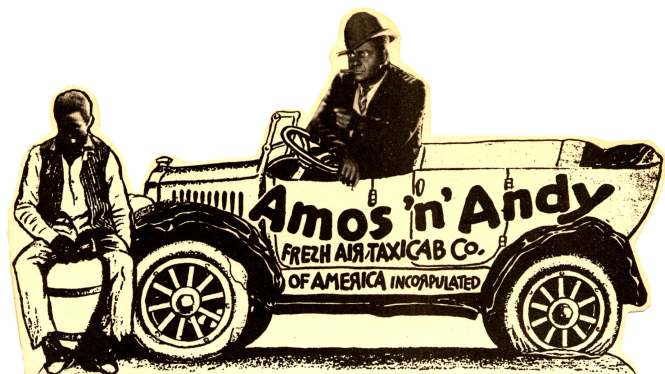
The nationally famous Hoot Owls, officially known as "The Order of Hoot Owls Roosting in the Oregonian Tower" aired from 1923 to 1933 as a 2-1/2 hour variety show that was broadcast to over one million listeners. Their slogan soon became "Keep Growing Wiser," whose initial letters represented the KGW call letters. The only other show that rivaled the Hoot Owls in popularity was Amos & Andy which first aired in Portland in 1928 on KFEC, which had studios on the fifth floor of Meier & Frank. |
|
|
|||||||||||||||||
|
|
|
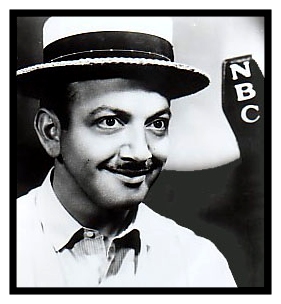
One of the performers on the Hoot Owls program, Mel Blanc, achieved fame as the author of cartoon characterization in later years in Hollywood where he became the nation’s voice for cartoon characters such as Elmer Fudd and Bugs Bunny. Blanc, who received his high school education in Portland, joined the program in 1927. Nicknamed "The Grand Snicker" on the Hoot Owls, Blanc became well known for his comedy, as well as his skills as a storyteller, ad-libber, musician, vocalist, and, later, orchestra pit conductor. Mel Blanc left KGW in 1932 and moved to Hollywood where success eluded him. In 1933, Blanc returned to Portland to perform on KGW’s sister station KEX in the popular "Cobwebs and Nuts" program. In 1935, Blanc moved to Hollywood again to Warner Brothers’ station KFWB. Blanc did the voices for his first Warner Brothers cartoon in 1937, "Picador Porky." While working on animated cartoons at Warner Brothers studios in Southern California, he became known as the "man of a thousand voices." During his early years in Portland radio, Blanc laid the foundation for many of his later cartoon voices and comedy routines. Chet Huntley spent time early in his career at KGW before joining David Brinkley in anchoring the NBC Nightly News. One of KGW’s managers who was highly respected in the radio business was Arden X. Pangborn and he found his way to Hollywood as well. KGW newsman Tom McCall went on to become Governor of Oregon. Ted Hallock worked at KGW and later went on to serve in the Oregon Senate from 1963 to 1983. |
|
|
 |
|
|
|
After airing for a short time on KFEC, Amos & Andy moved to KGW in 1929 and then to KOIN in 1939. |
|
|
|
Amos & Andy became part of the eastern NBC Blue Network schedule on August 19, 1929. Under special arrangements, the program began airing on the Orange chain, NBC's Pacific Coast Network and it was heard over KGW at 8:30 pm beginning on November 28, 1929. By 1931, Amos & Andy had become a national phenomenon with nearly 40 million listeners. Amos & Andy moved to the NBC Red Network in 1935. On April 3, 1939 the program moved to CBS and it was heard locally on KOIN. KGW became part of the NBC Red Network in July of 1936 when the NBC Orange Network was fazed out. It was announced on September 1, 1942, "There will be no more Red Network, it will simply be “NBC". The Blue Network was designated as a separate company in January 1942 in preparation for future sale. On October 12, 1943, NBC Chairman David Sarnoff sold The Blue Network to Edward J. Noble, owner of Lifesavers Candy Company. The Blue Network name was changed to the American Broadcasting Co. (ABC) on June 15, 1945. When Si Newhouse, owner of The Oregonian, wanted to sell KGW and concentrate on his newspaper business, he sold it to Mrs. Scott Bullitt of the King Broadcasting empire in Seattle and her Portland business partners on November 1, 1953. Mrs. Bullitt had over 40 years of influence in Portland broadcasting. On December 17, 1956, KGW Radio ended their long-time affiliation with NBC when they became an affiliate of ABC. |
|
||
|
|
|
|
This ad from The Oregonian from Monday Nov. 27, 1950 reveals that Dave Garroway was on the air at KGW in Portland before he became the first host of the Today Show which debuted on NBC on January 14, 1952. |
|
||
|
|
|
|
Konnie G Worth was popular at KGW |
|
||
|
|
KGW-TV signed on the air on December 15, 1956 |
|
||
|
|
Much of KGW’s early programming was live and locally produced |
|
|
|
In the 1950’s, Television came to Portland, and Radio began to take a back seat in the importance of people’s lives. It was only a given that some of the successful radio stations would make the leap to Television Broadcasting. Hence, today we have KGW TV and KOIN TV, however their radio forerunners have disappeared. |
|
|
|
|
|
|
|
|||||
 |
|||||
 |
|||||
|
|
|
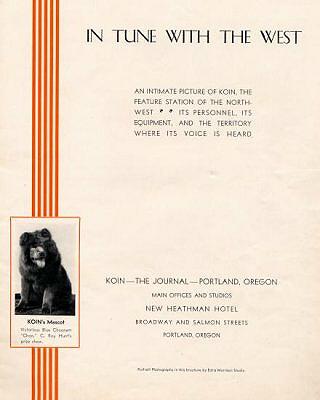
KOIN Radio signed on the air in Portland on November 9, 1925 as KQP and it was founded by Harry Read. C.W. Myers was the Business Manager at The Portland News and he was responsible for the operation of KQP. The call letters were changed to KOIN on April 12, 1926. The Portland News purchased KOIN on November 8, 1926. On August 25, 1929 ABC gave control of its leased land lines to CBS so the Columbia chain could continue to feed its Western affiliates. On September 1, 1929 CBS programming began on KOIN as part of what CBS dubbed the "Columbia Northwest Unit" comprising KOIN Portland, KVI Tacoma (now Seattle) & KFPY Spokane (later know as KXLY). The Oregon Journal acquired KOIN on February 28, 1931 and C.W. Myers became President of KOIN. Live music made up 8 out of 12 programs during the day and KOIN maintained its own orchestra of versatile musicians and in the early days. The first conductor of KOIN’s Orchestra was Mischa Pelz. |
|
||
|
|
Live programs on KOIN originated from the Heathman Hotel |
|
|
|
By 1931, KOIN had 60 employees, many of them musicians. Many of KOIN’s programs aired nationally and they won several awards for the station. Jane Powell, who was born Suzanne Burce in Portland, Oregon on April 1, 1929, began her singing career on KOIN radio at the age of seven. The Burce family moved to Los Angeles in the early 1940s and Jane Powell landed a part on the radio show, "Hollywood Showcase." She sang an aria from "Carmen," and impressed the audience. As a result, she was booked on the Charlie McCarthy radio show and offered an MGM contract. Powell shot to fame on the silver screen in leading roles at MGM and went on to find enormous success in the movies. The war years of the 1940’s were big at KOIN as they promoted the sale of War Bonds and collected donations for the war effort, setting records. During the 1950’s, television came to Portland and KOIN TV went on the air in 1953. KOIN Radio left the New Heathman when it moved to larger quarters in 1955 with KOIN TV. By 1958, KOIN was one of only six radio stations in the country with musicians on the staff. In 1971, live music broadcasts were dropped completely. |
|
||
|
|
|
|
The KOIN KLOCKERS debuted on December 8, 1930 and they were so popular that they made the transition to KOIN TV 23 years later |
|
|
|
In 1977, the call letters for KOIN Radio were changed when they traded an old KOIN for a new KYTE. The KYTE flew away with the disco era and another Portland icon was lost in the name of progress. |
|
|
|
|
|
|
|
|
|
|
|
|
|
|
|
|
|
|
|
|
|
|
|
|
|
|
||||||||||||||||||||||||
 |
||||||||||||||||||||||||
|
KXL’s inaugural broadcast hit the airwaves on December 13, 1926 from the top floor of the Mallory Hotel, beginning with a concert from the Mallory Orchestra. The second hour began with dance music presented by the Lyle Lewis Orchestra. On September 20, 1927, KXL moved into the “Rose Studio” on the seventh floor of the Bedell Building which featured a plate glass wall for public viewing from the reception room. KXL celebrated the move with a 40 hour broadcast dedication. On November 6, 1928, KXL moved to new studios on the seventh floor Mezzanine at The Multnomah Hotel. The new glass enclosed “Rose Studio” was twice the size of the old one. Herman Kenin’s Multnomah Hotel Orchestra headlined KXL’s first broadcast from the Multnomah Hotel. KXL continued to broadcast from the Multnomah Hotel until 1939. |
||||||||||||||||||||||||
 |
||||||||||||||||||||||||
|
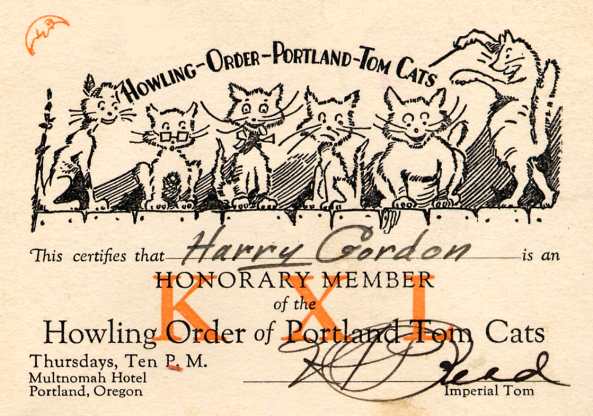
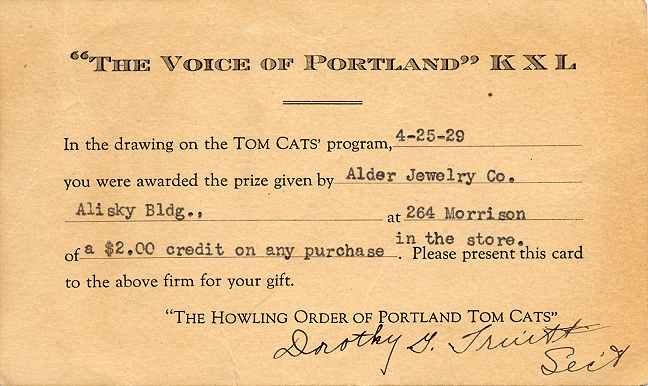
KXL’s Howling Order of Portland Tom Cats debuted on KXL on January 3, 1929, broadcasting Thursdays, from 10 pm to midnight. The Tom Cats, featuring Billy Emerick and the Tom Cat Serenaders with Emmet Bernstein and the Tom Cat Orchestra, quickly became a popular feature of KXL programming. |
||||||||||||||||||||||||
 |
||||||||||||||||||||||||
|
KXL became known as the “Voice of Portland,”in 1927. KXL was also known as “The Telegram Station” because of its affiliation with The Portland Telegram. |
||||||||||||||||||||||||
 |
||||||||||||||||||||||||
 |
||||||||||||||||||||||||
 |
||||||||||||||||||||||||
 |
||||||||||||||||||||||||
 |
||||||||||||||||||||||||
|
In 1926, the Western Broadcasting Company, which was owned by Vincent I. Kraft of KJR in Seattle, decided to build a West Coast network of super-stations. On December 18, 1926, they launched KYA in San Francisco and on Christmas Day that same year, KEX signed on as their Portland affiliate while KGA began broadcasting in Spokane. A few months later, they launched KPLA in Los Angeles. |
||||||||||||||||||||||||
|
||
|
|
|
|
Herman Kenin’s Multnomah Hotel Orchestra was broadcast live from the Multnomah Hotel over KEX in 1928. |
|
|
|
On October 3, 1928 programming from KJR debuted on KEX when the "ABC Northwest" network (as it was called) land lines reached Portland. Before this, all programming on KEX was local. On October 7, 1928 ABC Northwest began an alliance with the Columbia Broadcasting System, bringing CBS programming to Portland and the Pacific Coast States for the first time over ABC land lines. There were programmed ABC nights and CBS nights.On August 20, 1929, it was learned that ABC President, Adolph F. Linden had failed to secure additional financing to shore up the network’s mounting financial burden. Just 27 days before the beginning of the Depression, on October 1, 1929, the former ABC land lines in the Northwest connecting KJR, KEX & KGA were under new control of Ralph A. Horr and those lines became the Northwest Broadcasting System, the NBS chain. In October of 1931, it was announced that KEX, which was owned by parent, Northwest Broadcasting Company with its NBS Network based in Seattle at flagship KJR, was now a subsidiary of the National Broadcasting Company. |
|
||
|
|
|
|
Announcer Earl Fagan did live remote broadcasts from the Peacock Ballroom at Lotus Isle Amusement Park in 1931 |
|
|
|
On October 18, 1931, KEX carried the inaugural broadcast of the new NBC Gold Network at 8:00 am P.S.T. Also known as the Pacific Gold Network, it was NBC's Western link, carrying many programs from NBC's Blue Network from the East. Also joining the Gold Network on this date were: KPO San Francisco, KECA Los Angeles, KJR Seattle, KGA Spokane, KFSD San Diego & KTAR Phoenix. By this time it should be noted that most programming on the NBC Orange Network (KGW) came from the NBC Red Network.
On August 25, 1933 KEX was sold to the Oregonian Publishing Company, which already owned KGW Radio. A year later, KEX was moved into The Oregonian building to the 7th floor, with new sister station KGW on August 30, 1934. A dedication broadcast was held at 8:00 pm on that date.
On June 11, 1937, The Oregonian reported that KEX’s Chet Huntley, Rollie Truitt and Phil Irwin anchored radio coverage of the Grand Floral Rose Parade from The Stadium where the parade began. It was reported that KEX had a total of seven announcers at the mikes at several locations along the parade route. Rollie Truitt had joined KEX as The Voice of The Portland Beavers while Chet Huntley, would eventually join with David Brinkley on NBC-TV's Huntley-Brinkley Report. In January 1942, KEX's Blue Network affiliation became independent from NBC as a sale was in the works to meet new requirements of antitrust laws. It was announced on September 1, 1942,’There will be no more Red Network, it will simply be “NBC"’. On October 12, 1943, NBC Chairman David Sarnoff sold The Blue Network to Edward J. Noble, owner of Lifesavers Candy Company. The Blue Network name was changed to the American Broadcasting Co. (ABC) on June 15, 1945. |
|
|
 |
|
|
|
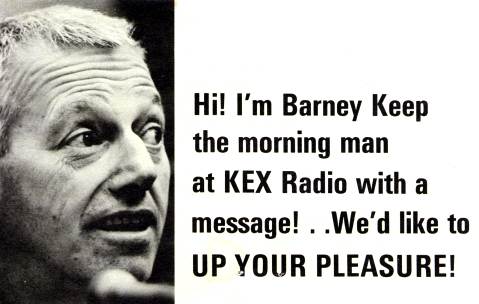
When laws were passed to keep an entity from owning more than one radio station, KEX was sold again. On December 28, 1944, the 5,000 watt KEX was sold to Westinghouse Radio Stations, Inc. This sale was a result of the FCC's new duopoly ruling. The Oregonian kept KGW. That same year, Portland’s beloved morning man, Barney Keep, started his career at KEX |
|
|
||||||||||||||||||||
|
|
|
On June 15, 1945 The Blue Network changed it name to the American Broadcasting Co. and KEX became Portland's ABC station. Westinghouse Broadcasting couldn’t settle for a low-watt station, so in 1947, they built a brand new, million-dollar 50,000 watt transmitter in Clackamas, Oregon to broadcast their signal up and down the coast at night. KEX Became the West Coast Powerhouse of Westinghouse. When Westinghouse broke ground for the new building, they used the same spade that was used by the late Dr. Conrad of KDKA when he broke ground for the new Pittsburgh transmitter. On April 8, 1948, KEX raised its power to 50,000 watts at 6:30 pm. KEX was Oregon's first full power station. On December 17, 1956, KEX became the only full time 50,000 watt independent in the West, when ABC moved to KGW Radio. KGW Radio’s NBC Network affiliation moved to KGON in Oregon City. |
|
||
|
|
|
|
KEX on-air staff promoted Grandma’s Cookies. |
|
||
|
|
||
|
|
|
|
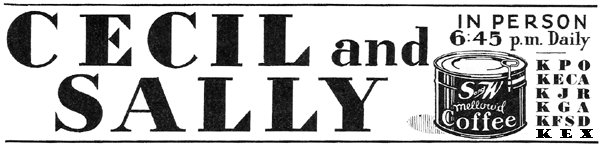
Cecil and Sally were featured on KEX in Portland |
|
|
 |
|
|
|
"Cecil and Sally" were the air names of Johnny Patrick and Helen Troy, who developed the musical comedy routine while working together at KYA in 1928. The serial program debuted on the West Coast connection of the short-lived ABC network, and moved to KPO and NBC after the former network went bankrupt in 1929. Patrick wrote the scripts and sang; Troy sang and played the piano and organ. Her character, "Sally," endeared herself to West Coast listeners with her girlish lisp, referring to her partner as "Theethil." The program ran on NBC until 1933, and was among the earliest radio shows to be nationally syndicated via electronic transcription — large, long-playing phonograph discs — by MacGregor & Ingram, a pioneering recording company. Johnny Patrick (born John Patrick Goggan in 1905) wrote more than a thousand scripts for "Cecil and Sally" during its run. A successful playwright and Hollywood screenwriter following his early years in radio, he adapted Vern J. Sneider's novel "The Teahouse of the August Moon" for the stage in 1953, which earned him a Pulitzer Prize and a Tony Award. In 1956, he wrote the screenplay for the motion picture version of "Teahouse," which starred Marlon Brando and Glenn Ford. Patrick also wrote the screenplays for "Three Coins in the Fountain" (1954), "Love Is A Many-Splendored Thing" (1955), "High Society" (1956), "Les Girls" (1957), "Some Came Running" (1958), "The World of Suzie Wong" (1960) and "The Shoes of the Fisherman" (1968). In later life, he retired to St. Thomas in the U.S. Virgin Islands. He died in 1995 at the age of 90. San Francisco-born Helen Troy appeared in several radio programs after "Cecil and Sally," including the 1937 series "Texaco Town" on the CBS Radio network, in which she played the comical "Saymore Saymore." The fast-talking comedienne had a brief career in motion pictures, making her film debut in George M. Cohan's "Song and Dance Man" (playing a character named "Sally," no less) and playing alongside such stars as Mickey Rooney and Judy Garland in "Thoroughbreds Don't Cry" (1937) and Spencer Tracy in "Big City" (1937). She died at the age of 38 in 1942. |
|
||
|
|
|
|
Gene Autry acquired KEX on September 1, 1962 and made it part of Golden West Broadcasters, Inc. |
|
|
|
Those next two decades were some of KEX’s best years. Who could forget Music Director Bob Swanson, who also sang in Barber Shop Quartets, and funny man Jimmy Hollister, who switched from the afternoon drive time to take over the morning slot when Barney Keep retired in 1979? And there was the sinister Vic Ives who hosted Old Time Radio on KEX on weeknights as well as Sinister Cinema on late-night TV. Lest we forget “Full Color Radio” and veteran newsman Jim Howe, Darrel Aune’s sports broadcasts and Dennis Norton, traffic. |
|
||
|
|
|
|
Barney Keep continued in the same time slot till he retired 35 years later on Valentines Day, February 14, 1979. Presenting the plaque to Barney was Francis Murphy, iconic Behind the Mike columnist for The Oregonian in March of 1979. |
|
|
||||||||||||||||||||||||||||
|
|
|
|
|
|
|
|
 |
|||||||
 |
|||||||
 |
|||||||
 |
|||||||
|
|
|
KFWV signed on the air for the first time on October 12, 1925 and it was owned by Wilbur Jerman, Inc. KFWV's first studio location was in the home of Wilbur Jerman at what is now 2025 SE 58th Avenue. From September 1926 to March 1927, KFWV was located at The Sovereign Hotel at what is now 1207 SW Broadway. In March of 1927, they moved to five suites at The Broadway Theatre Building at what is now 622 SW Salmon Street where the station used "The Voice of Broadway" as their air slogan. On June 24, 1927, what had been known as KFWV became KWJJ, which was named for Wilbur Jeffrey Jerman, President of the station as well as technical adviser and operator. He operated the station with his partner John C. Egan, Station Manager & Secretary-Treasurer. The "Federal Radio Commission" was beginning to grant requested call letters. Before this, the FRC, later known as the FCC, would sequentially assign most call letters to new stations which had no significance. |
|
||
|
|
The KWJJ building at 1011 SW 6th Avenue where KWJJ had moved in 1941 after leaving their old studios in the Broadway Theatre building. |
|
|
|
In 1943, after a fire at The Oregonian building destroyed their studios, KGW and KEX had to find a new home and they moved to the KWJJ building the next day on Sept. 24, 1943. KEX stayed until Oct. 29, 1946 and KGW moved to new studios on July 18, 1948. KWJJ launched sister station KPRA-FM on Sept. 25, 1947 from the above building. It was listed as “1017” SW 6th Ave. which is the address above the door on the left. KPRA was later re-launched as KWJJ-FM on April 30, 1949. KWJJ left the building on Oct. 31, 1957 and moved to the Wilcox Mansion. |
|
||
|
|
|
|
John C. Egan, Station Manager & Secretary-Treasurer is seen is this photo on the right at the KWJJ Studio Building. |
|
||
|
|
|
|
Sammy Taylor was one of Portland’s favorite radio personalities in the 40s and 50s and he was known for his many live remote broadcasts. |
|
||
|
|
|
|
An unidentified announcer at KWJJ in 1944 at the KWJJ Studio Building. |
|
|
|
Specializing in sports broadcasts, KWJJ also had numerous religious programs. As early as 1947, KWJJ's nickname was “JJ”. Later, KWJJ featured Popular Music when DJ Sammy Taylor was playing songs like "Rock Around The Clock" by Bill Haley & His Comets in 1955. KWJJ became Portland's ABC station on April 1, 1959 when KGW Radio went independent, (KGW had first dropped NBC for ABC on December 17, 1956. NBC then moved to KGON 1520). When KWJJ joined the ABC Network, they featured "Don McNeil's Breakfast Club" & "Paul Harvey News & Comment". KWJJ changed it's format to Country & Western on March 1, 1965. |
|
|
|
|
|
|
|
|
|
|
|
 |
||||||||||
 |
||||||||||
 |
||||||||||
|
||||||||||
 |
||||||||||
 |
||||||||||
|
|
|
The story of KPOJ goes back to 1925 when the only way to receive a radio station was by using a Battery-Powered radio set or a Crystal set. The original license was issued to Milburn Brown owner of Brown’s Radio Shop at 172 10th St (now 730 SW 10th Avenue) with call letters KTBR. The station began operation on September 19, 1925. On December 13, 1926, KTBR opened an additional studio in the Telegram Building at 1101 SW Washington Street. Early in January 1927 KTBR moved to 393-1/2 Yamhill Street which is now 935 SW Yamhill. KTBR moved to a four-room suite at the new Commodore Hotel at 523 Morrison Street (at present-day 1609 SW Morrison Street) on November 12, 1927. On March 28, 1929 KTBR moved its main studios to room 233 of the Weatherly Building at 408 E Morrison Street, (now 516 SE Morrison Street). This location became an additional KTBR studio beginning on April 7, 1928. In 1932, KTBR was sold to the Oregon Journal and the call letters were changed to KALE. In December of 1932, KALE moved to the mezzanine floor of the New Heathman Hotel at 344 Salmon Street, (now 712 SW Salmon Street). KALE shared studios with new sister station KOIN. On August 13, 1944, KALE moved to the 9th floor of the Studio Building, which was also known as the Taylor Street Building at 919 SW Taylor Street. In 1936, KALE began operating full time at 1300 killocycles and Portland radio pioneer Ashley C. Dixon Sr. began working at KALE as a staff announcer. KALE became a Mutual-Don Lee affiliate on September 26, 1937. KALE moved to new studios at 919 Taylor Street. In June 1948, KALE moved again to the Oddfellows building at 1019 SW 10th Avenue. To indicate ownership by the Portland Oregon Journal, the call letters were changed to KPOJ and the new 5000-watt transmitter on Mt. Scott went into operation the same month. KPOJ-FM also signed on the air to become the first full-time FM station in Portland. The Journal also filed an application to operate a TV station the same year, but it was never built. |
|
||
|
|
|
|
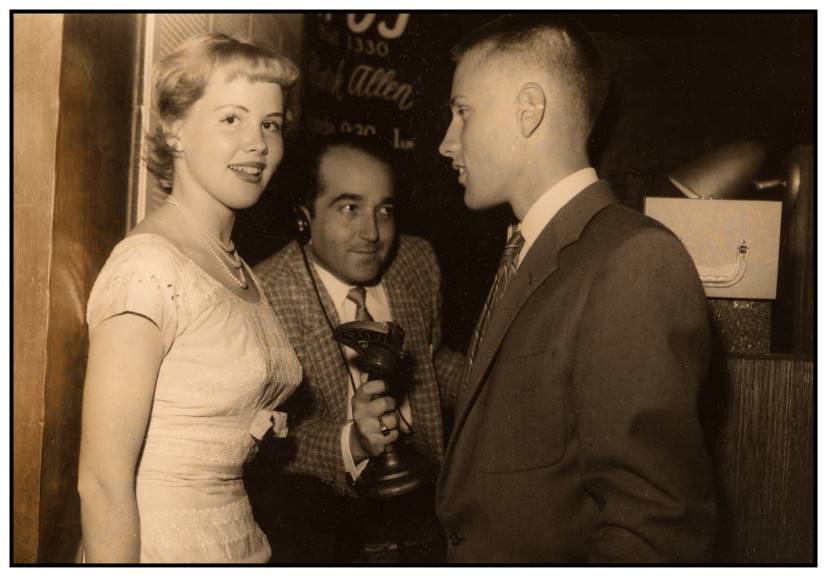
At left is Earl Mossman, the “Mayor of Broadway” in 1958 on KPOJ's "Rhythm Room" program which ran from 8 pm to 1 am weeknights. The host was Mark Allen pictured with the mic and head set. |
|
|
 |
|
KPOJ’s Rythm Room host Mark Allen had just replaced the original host Dick Novak who moved to KGW on February 3, 1958. Novak returned as host on January 23, 1959. |
|
||
|
|
Interior view of the KPOJ AM & FM Transmitter at Mt. Scott in 1956 |
|
|
|
One of Portland’s favorite radio personalities, Dick Novak made his debut with “Rhythm Room” on April 11, 1955 at 9:30 pm on KPOJ. The four and a half hour live, remote broadcast originated from Scotty's Hamburgers at 12th and Sandy. In the following months, he began broadcasting from Amato’s Supper Club on Broadway. Dick also hosted KGW TV’s Portland Bandstand every Saturday afternoon beginning in 1958. Red Robinson took over as host of the show in 1959 when Dick Novak returned to KPOJ. No sooner had Chuck Bernard played the KPOJ Jell-O commercial, which was chirping that it was national “Eat Jell-O for Breakfast Week”, when a loyal listener with a brisk feminine voice called to announce that she was just swallowing her last bite of a “pretty red jolly-jelly dish full. That same year, in 1958, KPOJ began to sell all the 78 rpm records in their library to the public for 15 cents each or 10 for $1. DJ Mark Allen’s fans sent him candy taped to their dedication slips so he wouldn’t get hungry. When the station’s format was changed to "Music of Yesterday" on April 25, 1960, Dick Novak’s remotes ended on KPOJ. Dick continued on KPOJ in the mornings into the mid 1960s. For awhile he was also a booth announcer for KATU. When ownership of The Oregon Journal passed to The Oregonian in 1961, they sold KPOJ because The Oregonian had ownership interests in KOIN. KPOJ’s frequency, 1330 AM, is now used by KKPZ, a religious broadcasting station. The progressive talk station now broadcasting at 620 AM, formerly KGW AM, uses the call letters KPOJ. |
|
|
|
|
|
 |
|
|
|
|
|
|
|
|
 |
|||||||
|
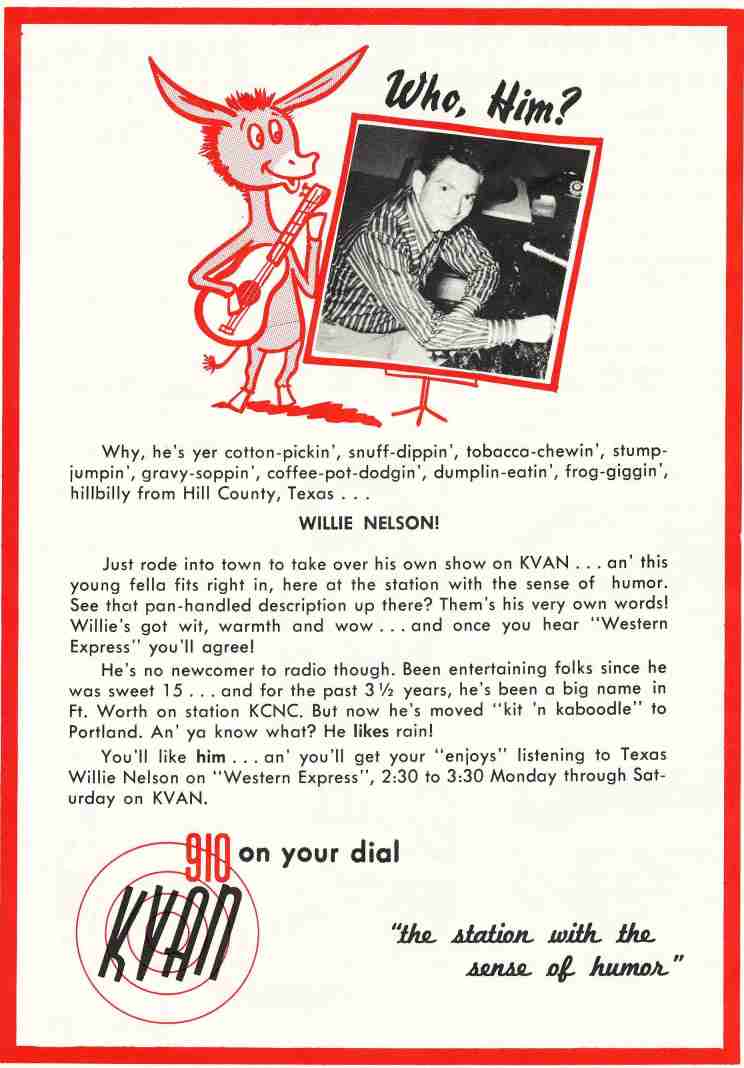
Willie Nelson began singing at the age of 12 in his native Texas and started in radio at age 15. Soon thereafter, Willie moved to the Portland area and debuted at KVAN on April 8, 1956. Ad courtesy of Craig Adams. |
|||||||
 |
|||||||
|
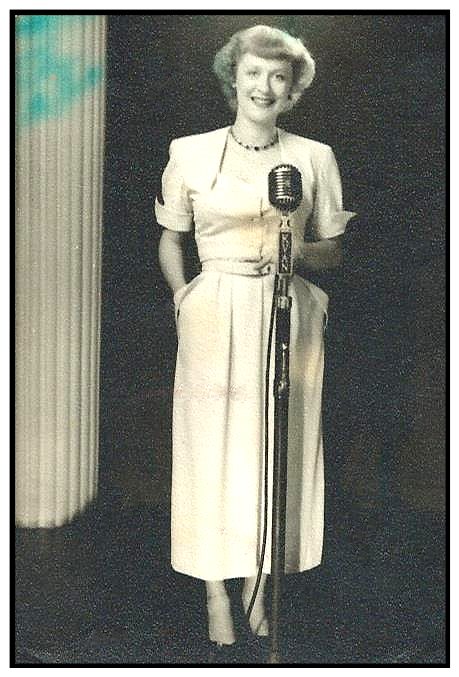
Holly Fendrich had a radio program on KVAN radio in the 1940s and ‘50s called Remember With Holly. It featured Holly singing with guitar accompaniment. Photo courtesy of Austin Casey. |
|||||||
|
|
|
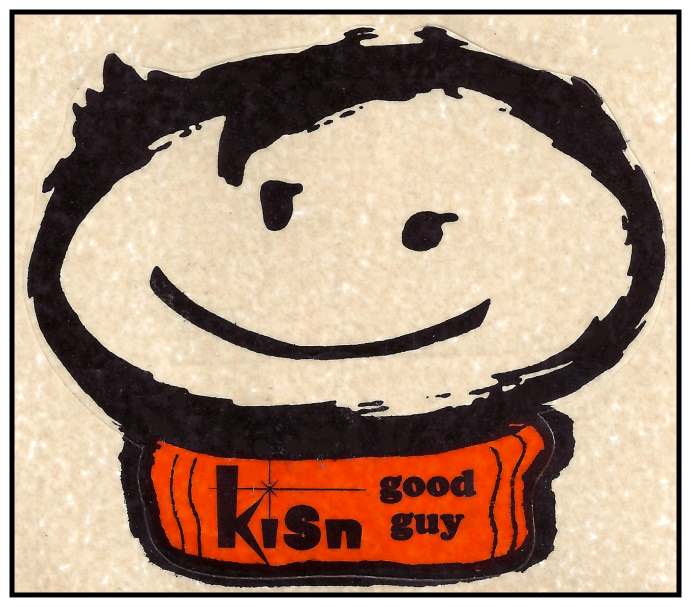
On another unforgettable day in the history of Portland Radio, KVAN began playing the song "Teen Age Bill of Right's, Part 1. The Revolution" by Robby John & The Seven-Teens, starting at 6:00 am on April 30, 1959. The song was played for 24 hours, interrupted only by commercials and brief newscasts. At 12 midnight on May 1, 1959, control of KVAN Inc. was transferred to Star Broadcasting, Inc. when Don W. Burden was President. Also at midnight, the call letters were changed to KISN. It was estimated the song was played 360 times. At the time, "The Mighty 91" studios were in Vancouver, Washington. KISN Radio moved to studios in Portland at 10 NW 10th Avenue at Burnside on November 28, 1959 over Thanksgiving weekend. They held an open house on January 15, 1960, after the holidays. KISN disc jockeys were known as "The Swingin' 91 DJ's." Then, "The KISN Corner" was born, you could drive by the large studio windows when KISN was located at 10th and Burnside and you could watch the DJ in the window as he entertained the throngs on Portland’s airwaves. There was the unforgettable Pat Pattee, who came to KISN in 1962. Anyone who was a teenager in Portland during the early 1960s will recall the popular DJ at KISN, Tom Murphy and his slogan "TM in the PM". When the Beatles first came on the scene, the Lipman Wolfe department store posted a life-size cutout figure of Tom dressed in a Beatle-style suit and haircut, in front of their bank of elevators. |
|
|
|
|
 |
|||
|
|||
|
|
|
|
|
||
|
|
|
|
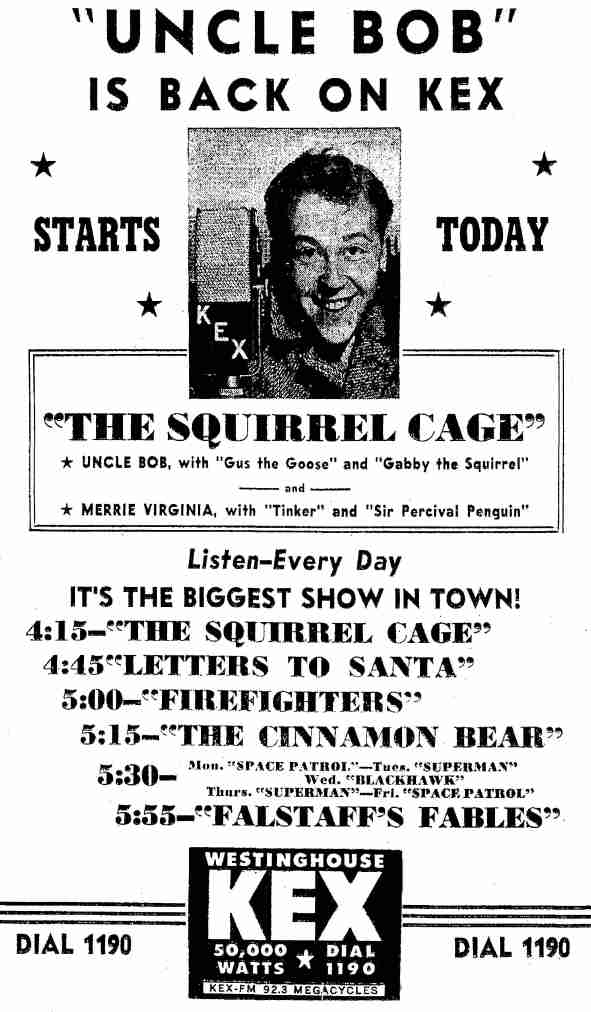
Radio Schedule from 1949 |
|
|
|
|
|
 |
|
|
|
In the early 1950s, kids would rush home from school to hear Uncle Bob and the Squirrel Cage. When Walt Disney started the Mickey Mouse Club, Uncle Bob made his way to Hollywood and he was occasionally seen at the Clubhouse. Several of the Pioneers in Portland Radio have survived, KEX, KWJJ and KXL. Portland Radio’s popularity continued into the 1960s and began to decline in the 1970s before as they say “Video Killed the Radio Star.” This was the song made famous by the Bugles in 1980. It was the very first song to be broadcast when MTV hit the airwaves in 1980. |
|
|
|
Portland Radio Historian Craig Adams has written a history of Rose Festival Broadcasts. |
|
||
|
|
|
|
|
|
|
 |
|||||
|
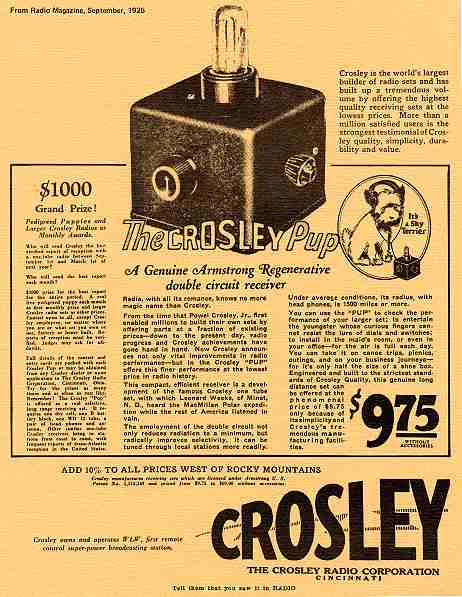
Crosley Radio Ad from Radio Magazine September 1920 |
|||||
 |
|||||
|
|
|
A special word of thanks to Portland DJ and Radio Historian Craig Adams who provided a number of milestones in Portland’s radio history. Craig has been researching Portland Radio History for 20 years. |
|
|
|
|||||||||||||||||||||||||||||||||||||||||||||||||||||||||||||||||||||||||||||||||
|
|
|
copyright © 2019 PdxHistory.com |
| [Portland History] [Site Map] [Amusement Parks] [Early Portland] [Department Stores] [Streetcars] [Railroads] [Mt Hood] [Oregon Coast] [Post Card History] [Portland Radio] [Portland Hotels] [Portland Neighborhoods] [Getaways] [Contact Us] |