
|
|
|
|
||
| [Portland History] [Site Map] [Amusement Parks] [Early Portland] [Department Stores] [Bloomingdales] [Streetcars] [Railroads] [Mt Hood] [Oregon Coast] [Post Card History] [Portland Hotels] [Portland Neighborhoods] [Getaways] [Contact Us] |
|
|
|
|||
 |
|||||
 |
|
||||
|
|
|
Bloomingdale’s Frederick & Nelson Lipman Wolfe Macy’s |
|
|
 |
|
|
|
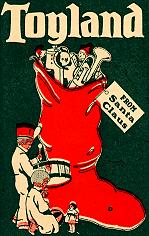
Who among us remembers when a trip to the Department Store was a day’s adventure? It was an experience young children would remember for many years to come. There was the thrill of riding the bus or the streetcar Downtown. Then to see the huge window displays and being treated to a memorable lunch in the store’s dining room. Each floor seemed so big and full of surprises, and the ride up the escalator was like a magic carpet ride. And there was the much-anticipated visit with Santa and the trip to Santa Land. |
|
|
||
 |
 |
|
Some of the earliest clothing retailers and department stores included Brooks Brothers, founded in 1818, followed by Lord & Taylor in 1926; Marshall Field’s in 1852; Macy’s in 1858; Bloomingdale’s in 1872 and Saks Fifth Avenue, which opened in 1924. Many other stores have come and gone. You can’t talk about great department stores without mentioning Neiman Marcus, Bergdorf Goodman, I. Magnin, Gimbel’s, Frederick & Nelson, The Bon Marche’, Emporium, Jordan Marsh, Barney’s, B. Altman, Bonwit Teller, Carson Pirie Scott, Dillard’s, Robinson’s, Rich’s, Stern’s, Broadway and Bullocks, to name a few. |
|
||
|
|
|
||
 |
|||
 |
|||
|
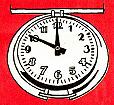
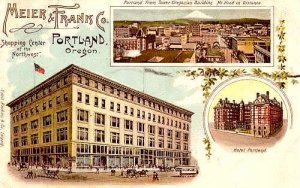
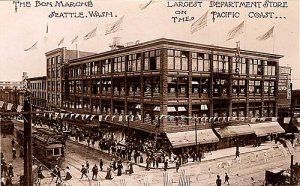
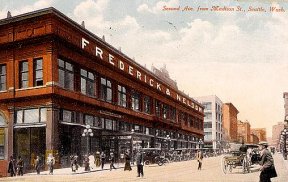
If you said “meet me under the clock” all Portlanders knew that meant the clock in the middle of the main floor at Meier & Frank. For over 149 years, Style and Tradition were synonymous with the name Meier & Frank in Portland, which was founded in 1857 by Aaron Meier. Portland was home for a number of department stores over the years. But sadly, they only exist in memory. The oldest department store west of the Mississippi River to operate continuously in one city, Olds, Wortman & King, was established in 1851. Other early stores included Lipman & Wolfe Company as well as Roberts Brothers, Holtz, and Eastern Outfitting Company to name a few. When Macy’s absorbed Meier & Frank in 2006, Portland lost its largest and most powerful department store ever to claim Portland as its home. After 149 years, Meier & Frank closed and a grand legacy of Northwest Style and Tradition faded into history. The same can be said for Chicago’s Marshall Field’s and nearly 30 other regional department stores that ceased to exist on that fateful day in September 2006. Seattle was home to two very powerful department stores that couldn’t operate profitably in recent years and have faded into memory: Frederick & Nelson, which became a Premier Division of Marshall Field’s in 1928 and closed in 1992 after operating for 100 years with two decades of local ownership which failed to keep the Northwest’s Premier Store alive; and The Bon Marche’ became Macy’s Northwest in 2005. Today, there are few Department Stores still in business. Bloomingdale’s, one of America’s favorite stores, is owned by Macy’s. |
|
|
 |
|
|
|
Brooks Brothers, the oldest continuously operating men’s clothier in the United States, originally opened as H. & D.H. Brooks & Co. on the Northeast corner of Catherine and Cherry Streets in New York City on April 7, 1818. Proprietor of the store was the 45-year old Henry Sands Brooks. His motto was "To make and deal only in merchandise of the finest body, to sell it at a fair profit and to deal with people who seek and appreciate such merchandise." In 1850, Brooks' sons, Edward, Elisha, Daniel, and John, inherited the family business and renamed the company "Brooks Brothers". In its early history, Brooks Brothers was most widely known for introducing America to the ready-to-wear suit. In the late 19th century, Brooks Brothers tailored many distinctive uniforms for elite regiments of the New York National Guard. The Golden Fleece symbol was adopted as the company's trademark in 1850. A sheep suspended in a ribbon had long been a symbol of British woolen merchants. Dating from the 15th century, it had been the emblem of the Knights of the Golden Fleece, founded by Philip the Good, Duke of Burgundy. In ancient Greek mythology, a magical flying ram, or Golden Fleece, was sought by Jason and the Argonauts. The last member of the Brooks family to head the company was Winthrop Holly Brooks, who ran the company from 1935 until its sale in 1946, when the company was acquired by Julius Garfinckel & Co. After the acquisition, Brooks Brothers' director was John C. Wood, who made Brooks Brothers even more traditional. By 1969, the ten Brooks Brothers stores in operation were located in New York, Chicago, Boston, San Francisco, Pittsburgh, Los Angeles, Atlanta, and Washington, D.C. Though today many people consider Brooks Brothers a very traditional clothier, it is also known for having introduced many clothing novelties to the market. In 1830, the store was the first to sell seersucker suits in the U.S. In 1896, John E. Brooks, Henry Sands Brooks' grandson, invented the button-down dress shirt after seeing the non-flapping collars on English polo players. President Theodore Roosevelt was fond of Brooks Brothers clothes; he even ordered his dress uniform for the Spanish-American War at Brooks. Ralph Lauren, when his name was still Ralph Lifschitz, started out as a salesman at Brooks's Madison Avenue store. He was granted the right to use the Polo trademark from Brooks Brothers, which retained its rights to the iconic "original polo button-down collar" shirt still produced today. Brooks Brothers was acquired by the British firm Marks and Spencer plc in 1988. In 2001, Marks & Spencer sold Brooks Brothers to Retail Brand Alliance ("RBA"), a company privately owned by Italian billionaire Claudio del Vecchio (son of Luxottica founder Leonardo del Vecchio). Besides Brooks Brothers, RBA consists of two established brands: Carolee (a designer of jewelry for department stores and speciality stores), and Adrienne Vittadini (a designer of women's clothing and accessories). Brooks Brothers has dressed generations of families, prominent and less famous, as well as political leaders, Hollywood legends, sports greats and military heroes. Brooks Brothers is the official clothier of the Lincoln Center Jazz Orchestra. Brooks Brothers has added offerings for boys and women’s clothing to their stores over the years. At his second inauguration, United States President Abraham Lincoln wore a coat specially crafted for him by Brooks Brothers. United States President Ulysses S. Grant began his association with Brooks Brothers during the Civil War, when he ordered tailored uniforms for the Union officers in the American Civil War. Many more presidents, including Herbert Hoover, Theodore Roosevelt, Franklin Roosevelt, John F. Kennedy, Richard Nixon, Gerald Ford, George H. W. Bush, and Bill Clinton were known to wear Brooks Brothers clothing lines. |
|
|
 |
|
|
||||||||||||||||||
|
|
|
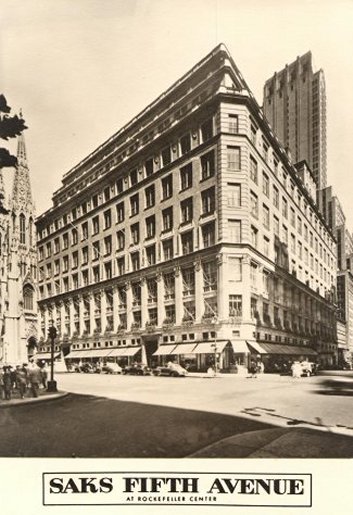
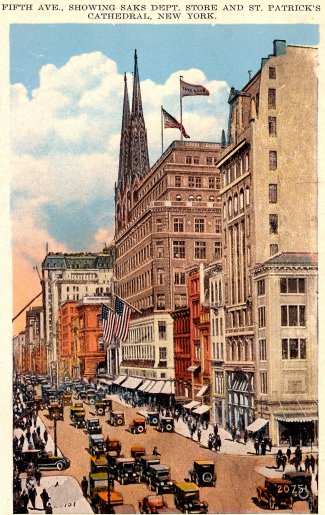
Horace Saks and Bernard Gimbel were successfully operating stores independent of each another in the early 1900’s in Herald Square. In 1924 they decided to pool their resources and merged, opening as Saks Fifth Avenue on September 15, 1924 in the current Flagship location at Rockefeller Center on Fifth Avenue in New York City. Saks operates over 60 stores in 24 states. |
|
|
|
 |
||
|
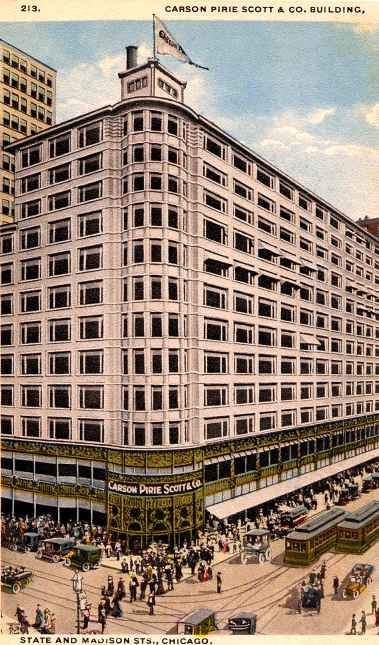
Chicago’s Carson Pirie Scott Store. |
||
|
||
|
|
One of the delivery trucks in the Carson Pirie Scott fleet, circa 1907. |
|
|
 |
|
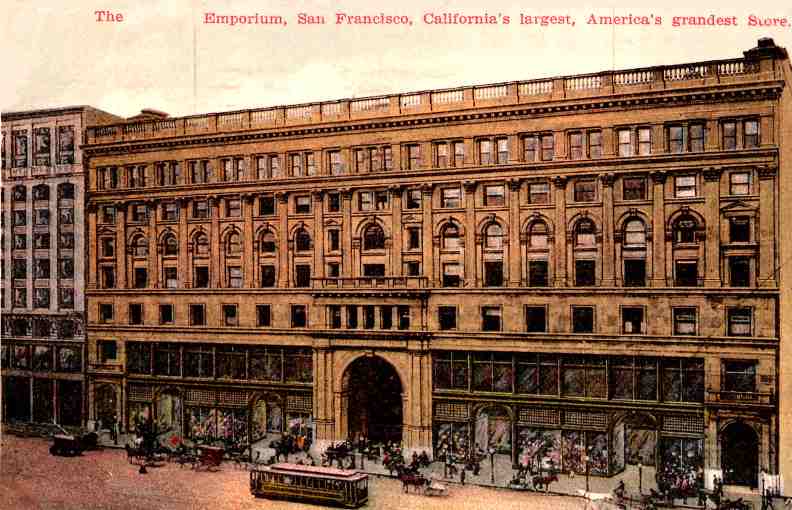
The Emporium in San Francisco now houses San Francisco Centre’. |
|
|
 |
|
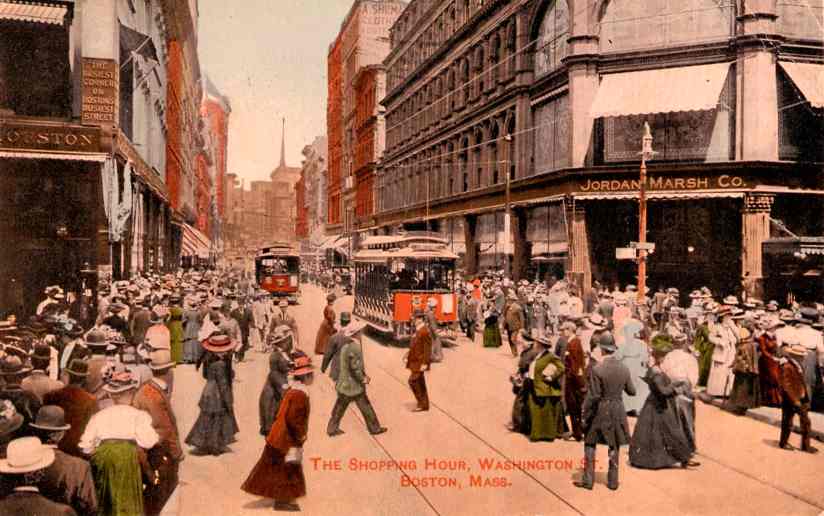
The Shopping Hour on Washington Street at Boston’s Jordan Marsh Company. |
|
||
|
|
Interior view of the Men’s Department at Jordan Marsh which is now Macy’s. |
|
||
|
|
An early view of Jordan Marsh Company’s Pneumatic Cash Desk. |
|
||
|
|
Gump’s is still selling fine furnishings in San Francisco. In the 1890’s, S & G Gump had a location in Portland. |
|
|
 |
|
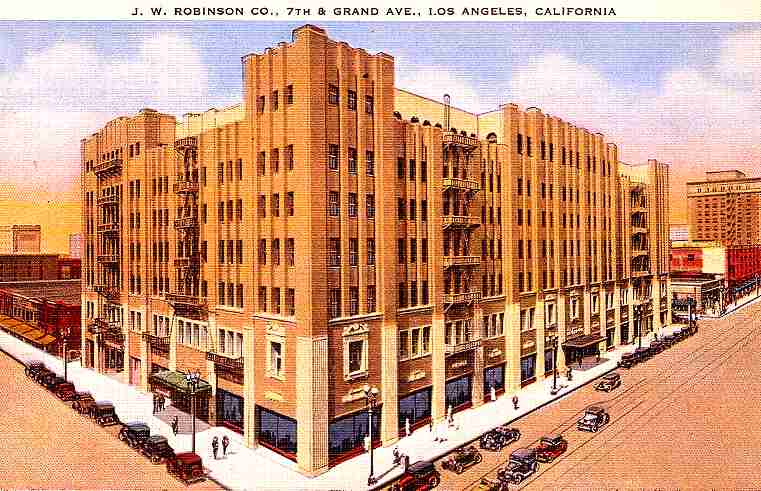
Robinson’s was a leading West Coast Department Store and it is now Macy’s. |
||||||
|
|
|
|
|
|
|
 |
||||||
|
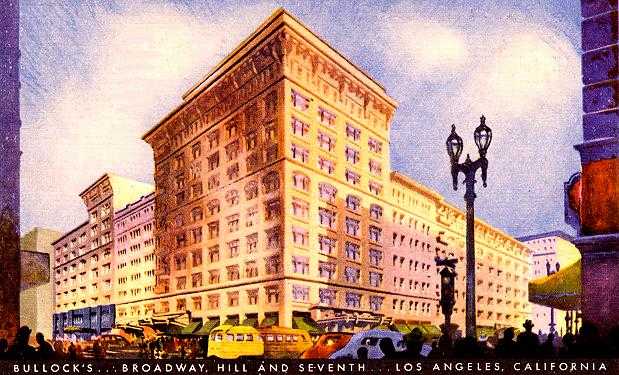
Bullocks at Broadway, Hill and Seventh Streets in Los Angeles. |
||||||
 |
||||||
|
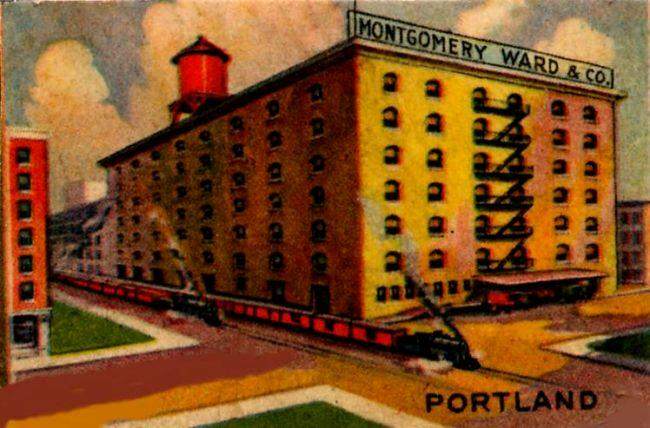
Two trains with their billows of smoke can be seen to the left of Montgomery Ward in this cutout from an early catalog. |
||||||
|
|
|
A once successful retailer, who closed its doors in 2001 after over 100 years in business, Montgomery Ward built six regional retail distribution centers and eventually had several thousand locations. Ward got his start in retail as a young man working for Marshall Field’s. Montgomery Ward and Company will be remembered for pioneering mail order and bringing us Rudolph the Red-Nosed Reindeer. Portland had one of the six original locations, opening in 1921, and it is now known as the Montgomery Park office complex. |
|
|
|
|
|
|
Portland has had a few other big department stores over the years that are no longer in business. There was Eastern Outfitters, Roberts Brothers, Rosenblatts, Rhodes and I. Magnin, to name a few. |
|
|
 |
|
 |
|
|
|
|
|
|
|
|
|
|
|
|
|
|
|
|
|
|
|
|
|
|
|
|
|
|
|
|
|
|
|
|
|
|
|
|
|
|
|
|
|
|
|
|
|
|
|
|
|
|
|
|
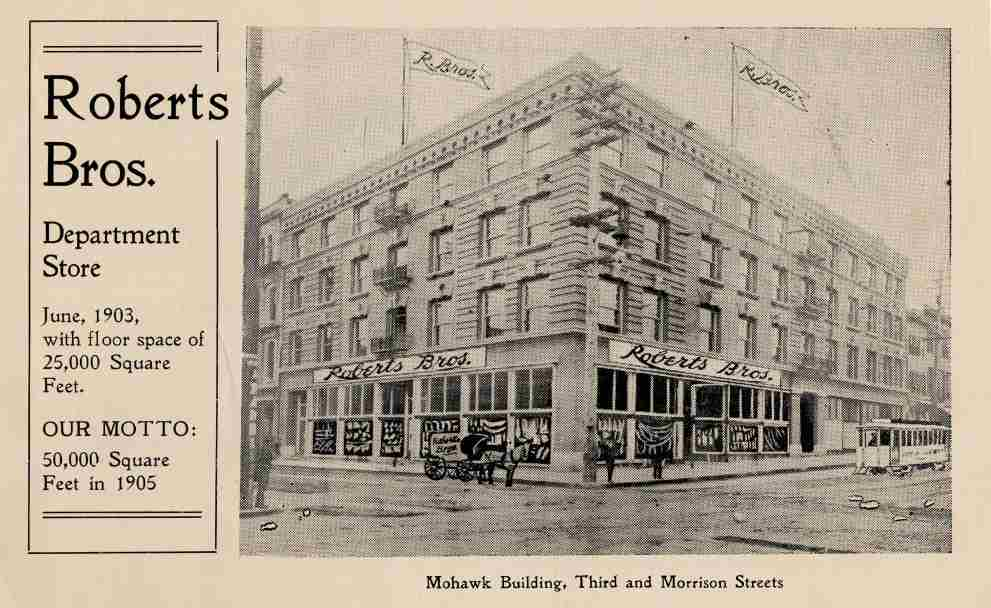
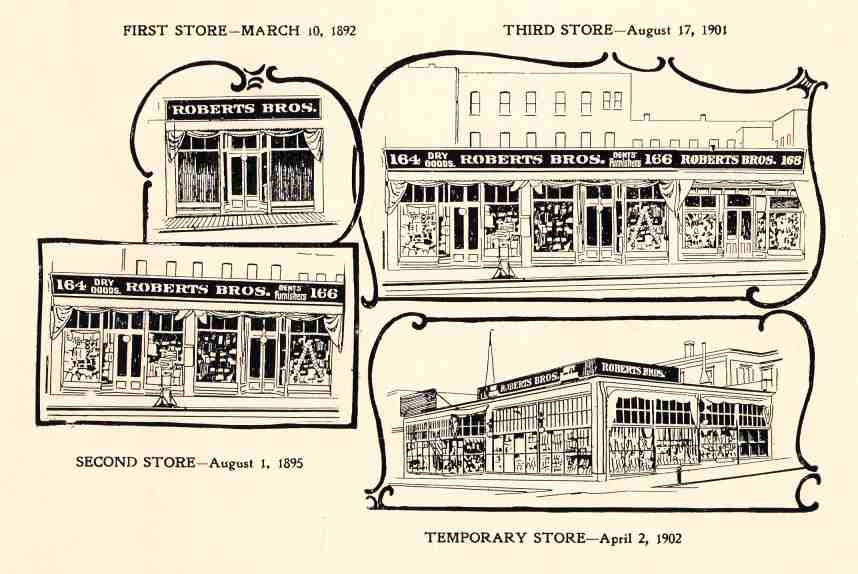
Brothers Thomas and Henry Roberts joined as partners and opened a department store on March 10, 1892 in a 1,250 square foot space at Third and Morrison Streets. In 1895, they had outgrown their original space and doubled to a space of 2,500 square feet. They expanded again in 1901, but quickly outgrew that space. They decided to build their own building, so the store was temporarily moved to Fifth and Yamhill Streets while the old building was demolished and a new four story building went up in its place. They occupied all four floors and the basement. |
||||||||||||||||||||||||||||||||||||||||||||||||||
 |
||||||||||||||||||||||||||||||||||||||||||||||||||
|
Eventually the brothers dissolved their partnership and formed a corporation. Thomas and Henry Roberts retained a majority of the stock. No stock in this corporation was ever offered to or sold to the general public. They expanded into furniture and household furnishings, adding a Second Avenue Annex and occupying a total of approximately 85,000 square feet of retail space and over 35,000 of warehouse space. In the mid-1940s, a branch store opened in Salem. Sons of Henry Roberts, William and Richard, eventually took over operation of the stores. In 1956, Bill Roberts and his brother Richard of bought Lipman Wolfe & Co. stores in Oregon and then Diamond’s stores in Arizona. They did a top-to-bottom renovation of Lipman's downtown store, and overhauled its image, too. They emphasized quality and elegance, and found a marketing niche of shoppers who appreciated that in a store. The Lipman's-Roberts Bros. stores were merged with the Dayton Corp. of Minneapolis in 1968 in a stock transaction valued at $33.3 million. Then in 1979, Marshall Field’s bought all six Lipman’s Stores and made them Frederick & Nelson stores. |
||||||||||||||||||||||||||||||||||||||||||||||||||
|
||||||||||||||||||||||||||||||||||||||||||||||||||
 |
||||||||||||||||||||||||||||||||||||||||||||||||||
 |
||||||||||||||||||||||||||||||||||||||||||||||||||
|
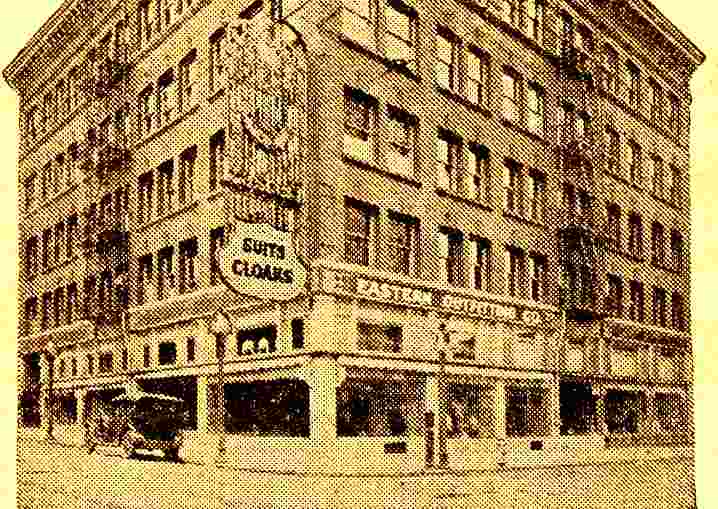
The Eastern Outfitting Company was located at 10th & Washington Streets. One of the original founders of Eastern Outfitting was Joseph Shemanski. |
||||||||||||||||||||||||||||||||||||||||||||||||||
 |
||||||||||||||||||||||||||||||||||||||||||||||||||
|
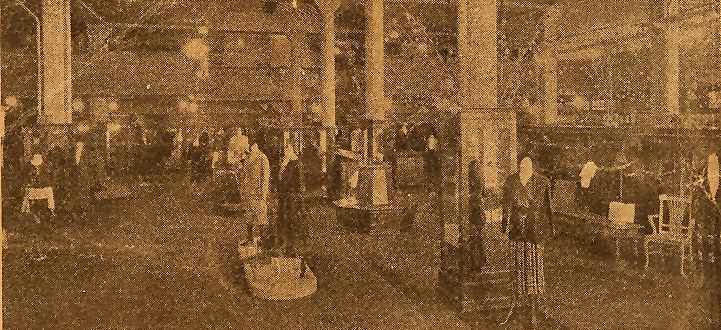
The Women’s Department at The Eastern Outfitting Co. |
||||||||||||||||||||||||||||||||||||||||||||||||||
|
||||||||||||||||||||||||||||||||||||||||||||||||||
 |
||||||||||||||||||||||||||||||||||||||||||||||||||
|
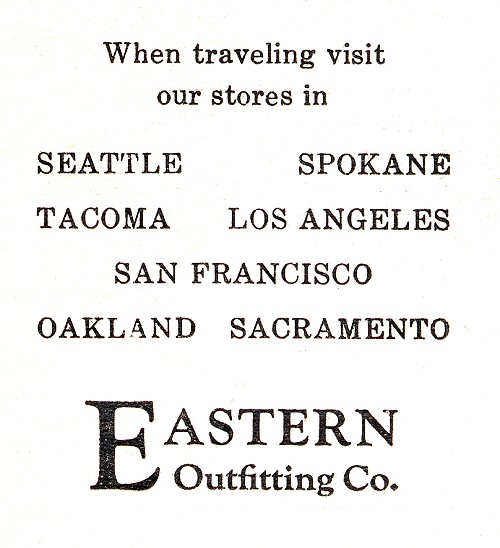
The Eastern Outfitting Co. had several other locations in the west, including Astoria. Unfortunately, they closed in October 1953. |
||||||||||||||||||||||||||||||||||||||||||||||||||
 |
||||||||||||||||||||||||||||||||||||||||||||||||||
|
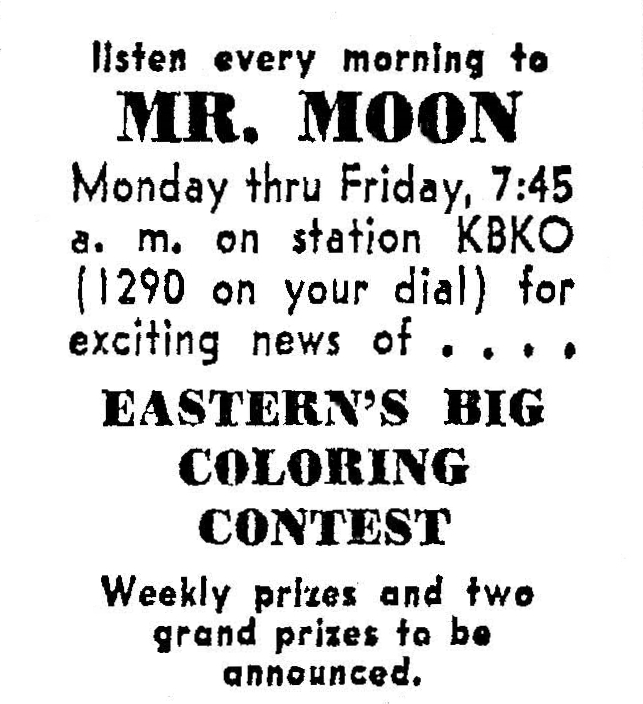
Eastern sponsored the Mr. Moon Show broadcast on KBKO, later KLIQ. Oregonian ad from 12-02-51, courtesy of Craig Adams, radio historian. |
||||||||||||||||||||||||||||||||||||||||||||||||||
 |
||||||||||||||||||||||||||||||||||||||||||||||||||
|
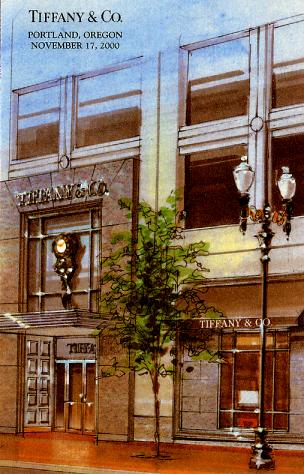
Tiffany and Co. opened November 17, 2000 at Third and Taylor Streets. |
||||||||||||||||||||||||||||||||||||||||||||||||||
|
||||||||||||||||||||||||||||||||||||||||||||||||||
 |
||||||||||||||||||||||||||||||||||||||||||||||||||
 |
||||||||||||||||||||||||||||||||||||||||||||||||||
 |
||||||||||||||||||||||||||||||||||||||||||||||||||
 |
||||||||||||||||||||||||||||||||||||||||||||||||||
 |
||||||||||||||||||||||||||||||||||||||||||||||||||
 |
||||||||||||||||||||||||||||||||||||||||||||||||||
 |
||||||||||||||||||||||||||||||||||||||||||||||||||
 |
||||||||||||||||||||||||||||||||||||||||||||||||||
 |
||||||||||||||||||||||||||||||||||||||||||||||||||
 |
||||||||||||||||||||||||||||||||||||||||||||||||||
 |
||||||||||||||||||||||||||||||||||||||||||||||||||
 |
||||||||||||||||||||||||||||||||||||||||||||||||||
 |
||||||||||||||||||||||||||||||||||||||||||||||||||
|
Last updated 01-28-19 |
||||||||||||||||||||||||||||||||||||||||||||||||||
|
copyright © 2019 PdxHistory.com |
||||||||||||||||||||||||||||||||||||||||||||||||||
| [Portland History] [Site Map] [Amusement Parks] [Early Portland] [Department Stores] [Bloomingdales] [Streetcars] [Railroads] [Mt Hood] [Oregon Coast] [Post Card History] [Portland Hotels] [Portland Neighborhoods] [Getaways] [Contact Us] |